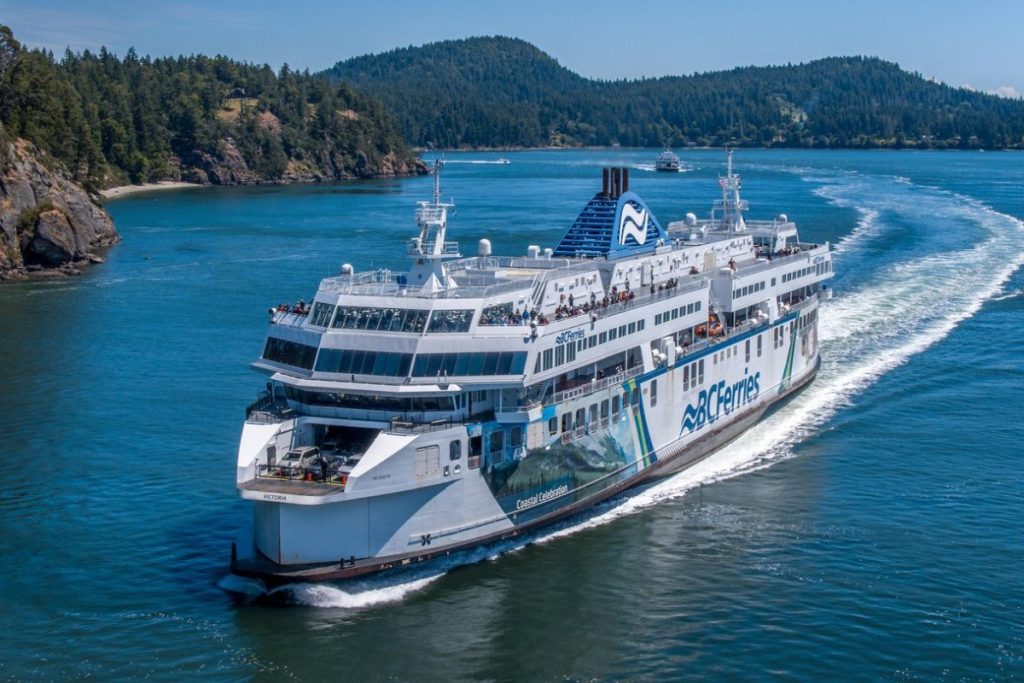
BC Ferries’ peak season is officially here, and the company has just announced some changes coming to its ferries in order to prepare for the summer rush. If you’re a regular on the ferries, then here’s what you need to know about what’s happening during the busiest travel period of the year.
RELATED: Oakridge Park Mall Is Opening This May And Here’s What You Need To Know
BC Ferries and Summer Readiness
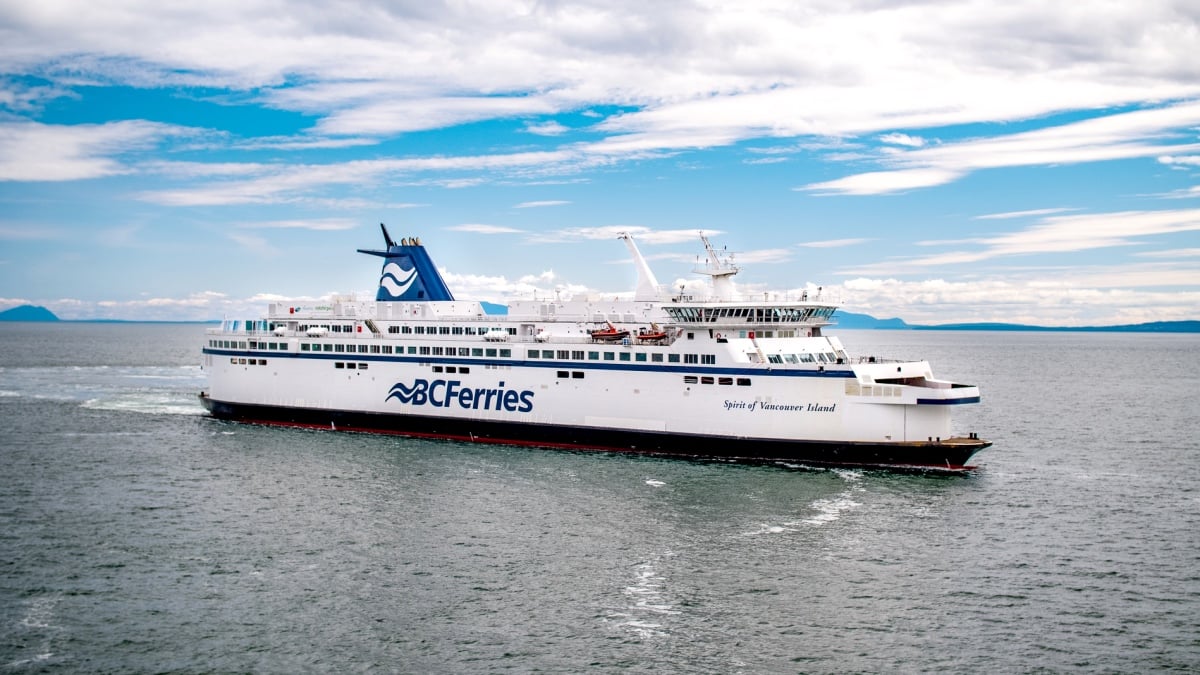
“For many people, ferry travel is not optional — it’s how they get to work, access healthcare, connect with family, and move goods,” said Brian Anderson, Vice President of Strategy and Planning. “We anticipate that demand for ferry travel will continue to grow, especially during peak season when the system is under the most pressure. Our focus is on delivering reliable service with the fleet and capacity we have today, while planning for the additional vessels needed to support expected future demand.”
Demand is expected to be higher than last year’s peak season. This means that over 10.3 million passengers and 4.1 million vehicles will be hopping aboard the vessels.
“We know how frustrating it is for our customers when sailings are delayed or cancelled, and that’s exactly why all these preparations matter,” said Melanie Lucia, Vice President of Customer Experience. “It’s the work we do in the months leading up to peak season to prepare the fleet, strengthen operations, and be ready to minimize the impact of disruptions and respond when they do happen. We’re heading into peak season ready and realistic, focused on delivering reliable service and supporting customers with clear, timely information and delivering the best possible experience during busy travel periods.”
What’s Changing?
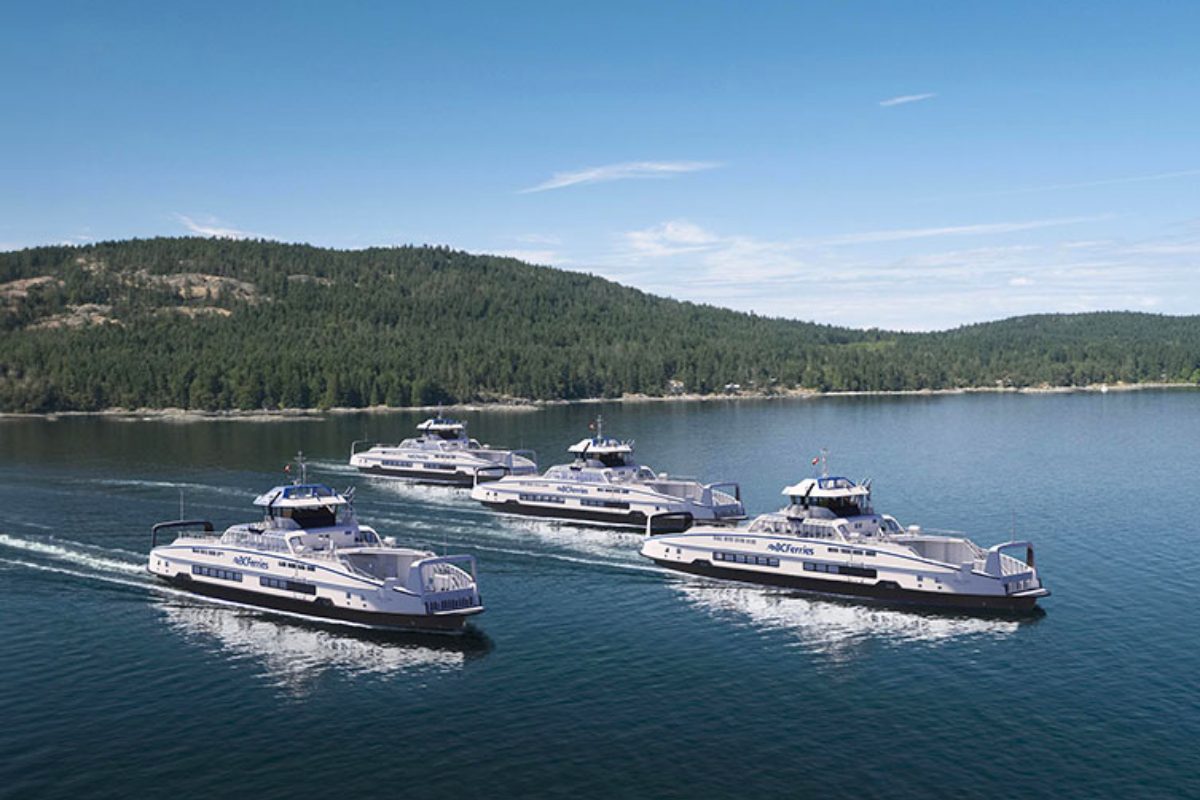
This summer, BC Ferries is adding 1,800 additional round-trips throughout the peak season. Expanded reservation availability has also been added on a number of routes to create more travel certainty for those who plan ahead.
Extended two-ship service is being added for travel betwen Horseshoe Bay and Langdale, and more than 120 additional sailings will be implemented during the shoulder seasons. This includes two additional late afternoon round-trips during which demand is highest.
“Seasonal hiring and training have also been moved up this year to support the earlier start to summer service, with frontline teams preparing for higher volumes, more complex travel days, and an increase in first-time and international travellers.”
You might also like