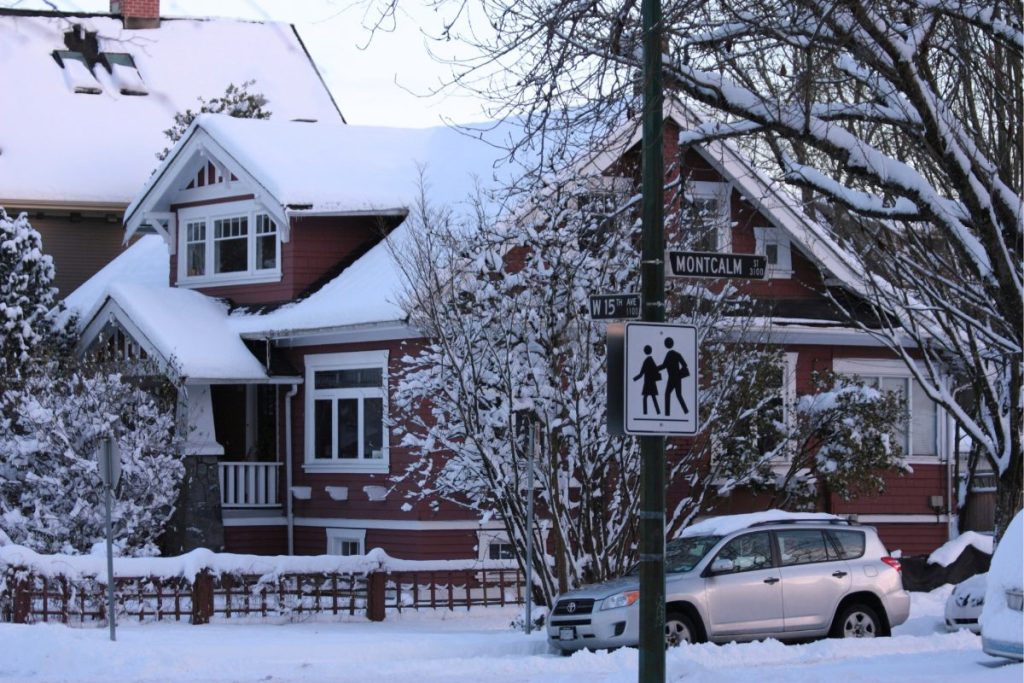
Canada is about to see a polar vortex very soon, meaning that you might want to get those down coats and boots ready. Expect colder-than-normal temperatures and a frigid beginning to the final season of the year.
Not sure whether your neighbourhood is going to be blasted with icy weather? We cover everything you need to know about the incoming polar vortex.
A Polar Vortex In Canada
It was 2014 when the term “polar vortex” made headway into the social lexicon when both Canada and the U.S. experienced its coldest winters in 18 years. Forecasters are now warning Canadians that the phenomenon is appearing once more, bringing about some chilly weather and plenty of snow.
The National Oceanic and Atmospheric Administration (NOAA) defines a polar vortex as “a large area of low pressure and cold air surrounding both of the Earth’s poles.” During the winter, the vortex expands in the northern hemisphere, and sends cold air southward within the jet stream. Although, polar vortexes are not a new phenomenon by any means– they’ve only been recently popularized, now bringing attention to a weather feature that has always existed.

A polar vortex isn’t a cause for alarm, luckily. But, you should expect colder temperatures and check your local forecasts.
Where In Canada Will Be Affected?
Depending on where you are, you might be already feeling the effects of the polar vortex. Already, it has spread across Western Canada. Places like southern Alberta and Saskatchewan are certainly seeing snow.
Plenty of winter storm and snowfall warnings are also in effect throughout Ontario, such as Thunder Bay, among many others.
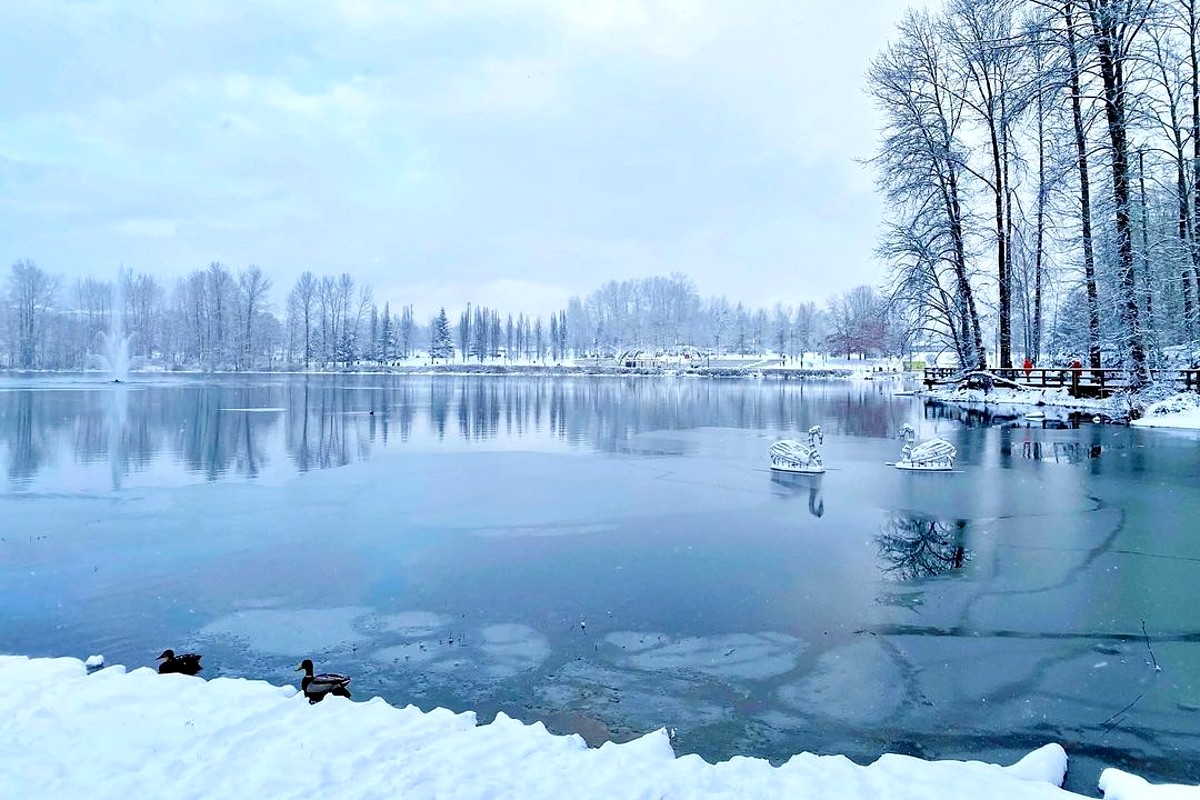
It’s far less likely that Vancouver will see much snow, although it is likely that temperatures will drop. Moreover, forecasts predict that the city will see snow sometime in late November and into December. It’s important to be prepared just in case the snow does come, so be sure to have those winter tires on your car and get those boots ready.