If you’re heading to the U.S. anytime soon, you may want to be careful. The Government of Canada has recently updated its travel advice for our southern neighbours, warning potential visitors that there’s a parasitic outbreak spreading throughout the country.
RELATED: The Full List Of Canadian Goods That Could Be Hit By Trump’s New Tariffs
Travel may be down in the U.S., but you should be aware of the possible risks if you’re going across the border anytime soon.
Cyclosporiasis in the United States
You may have heard about the “explosive diarrhea” parasite that has been sweeping across a number of states recently.
According to the U.S. Centers for Disease Control and Prevention (CDC), “there is a large multistate outbreak of cyclosporiasis occurring in at least four midwestern states.” Currently, public officials are interviewing people linked to the outbreak in order to find out what foods they ate before getting sick.
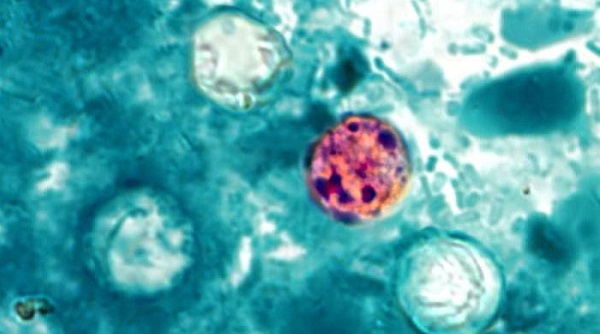
Photo: CDC
Cyclosporiasis is an “illness of the intestines caused by a parasite called Cyclospora,” explains the Public Health Agency of Canada. It is commonly spread by eating food or drinking water that contains the Cyclospora parasite.
Some symptoms of cyclosporiasis include abdominal bloating and gas, fatigue, stomach cramps, loss of appetite, weight loss, mild fever, nausea. The most common symptom is watery diarrhea.
Avoiding The Parasite
If you’re going to the U.S. during the outbreak, you can reduce your risk of infection by thoroughly washing fresh fruits and vegetables under clean, cool, running water before eating them. Although, the Government of Canada notes that disinfectants and produce washes may not completely remove Cyclospora. You should also wash produce even if it is labelled as pre-washed or ready to eat.
Cooking produce while travelling in states experiencing an outbreak of cyclosporiasis can similarly reduce your risk of infection, as well as following safe food and water practices while travelling.