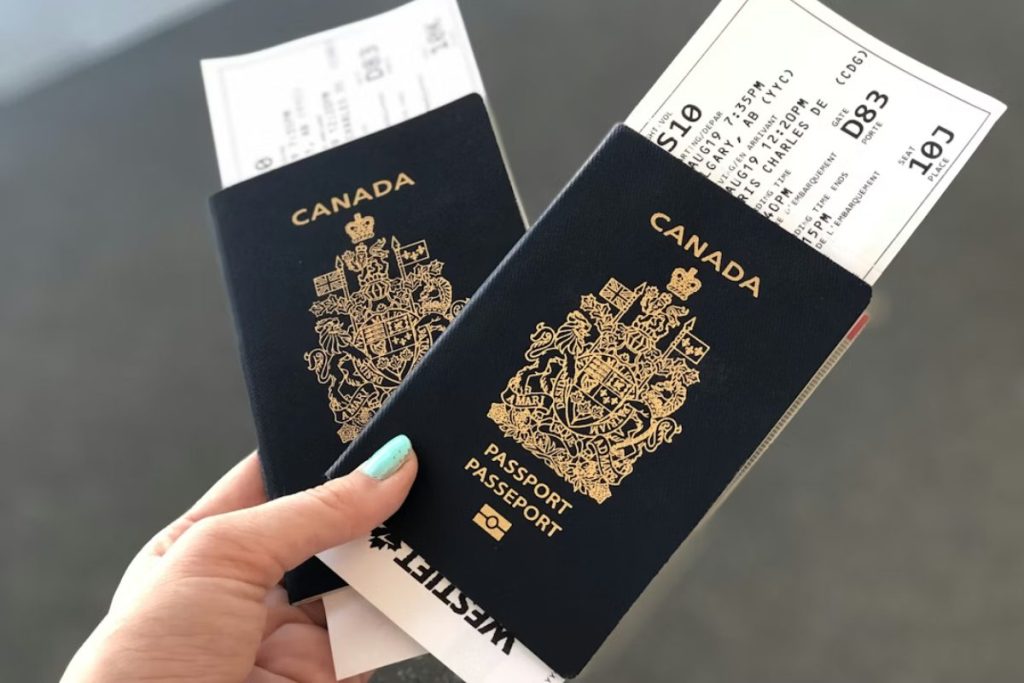
For the first time in over a decade, passport fees are increasing in Canada. This comes after an order-in-council in late January called for the federal government to start tying together passport prices and the consumer price index (CPI).
RELATED: Canada Strong Pass Is Back For The Summer And Here’s All The FREE Perks Waiting For You
Further price hikes could follow in the next years. Currently, Immigration, Refugees and Citizenship Canada (IRCC) is undergoing a “comprehensive fee structure review” of passport program costs for the future.
Cost Adjustments
“The passport program’s base fee structure alone can no longer support the cost of program operations,” IRCC wrote in an impact statement. “Since the last time inflation was accounted for in program fees, the CPI increased by 14.5 per cent, leading to expenditures outpacing revenues by approximately $121 million in fiscal year 2024-25.”
According to the IRCC, there are a number of costs that aren’t being considered in the current passport fee structure. This includes support expenses like processing costs for domestic passport delivery, information technology costs, and salaried employees.
Passport Fee Increases In Canada
Effective March 31, passport fees in Canada will be subject to the Services Fee Act (SFA). This law requires fee changes to be based on inflation, in line with the CPI. Thus, passport fees will increase by 2.7%— the benchmark from April 2024.

Normally, a five-year adult passport in Canada costs $120, and a ten-year passport costs $160. These prices will jump to $123.24 and $164.32, respectively. For those applying abroad, a ten-year passport will cost them $267.02.
Now that passport fees are tied to CPI, Canadians should expect potential annual price hikes. IRCC acknowledged that these changes in price will affect some people’s ability to obtain or renew their passports. “Clients with low incomes, families with multiple children, elderly clients, those with fixed incomes, students and youth, refugees and vulnerable consular clients” are noted as especially being impacted.