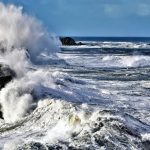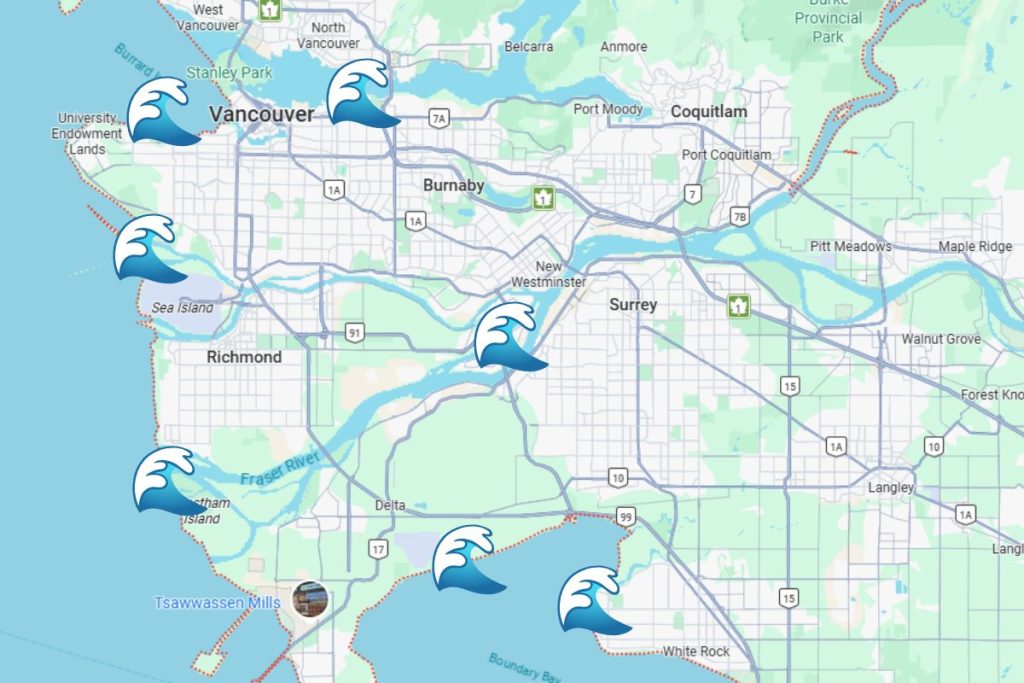
High tides, storm surges, and large waves are heading for Metro Vancouver, creating the perfect conditions for floods to hit coastlines across a number of cities.
If you live in a low-lying area, you may want to prepare for a few very wet days.
RELATED:
- Canadians Are Being Reminded To Renew Their 72-Hour Stockpiles In Case Of An Emergency
- Guru Nanak’s Free Kitchen Launches A Permanent Kitchen To Provide Free Meals Every Week
Flood Alert: Metro Vancouver
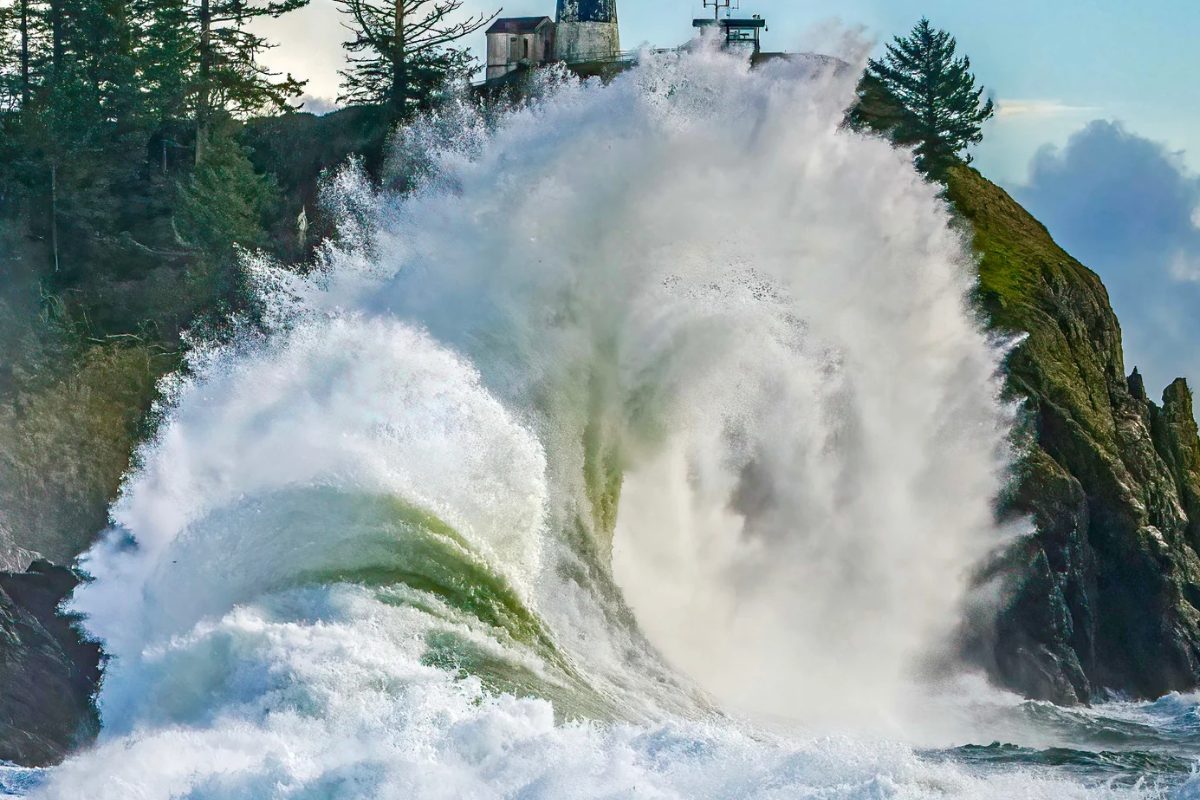
Environment Canada released a coastal flooding alert for most of Metro Vancouver, especially those in areas close to shorelines. According to the notice, “elevated ocean water levels accompanied by strong winds and large waves are expected, beginning today and lasting for several days.”
These conditions are expected to coincide with king tides, which are significantly enhanced high tides.
“A series of deep low pressure systems will track across the offshore waters this week, bringing storm surge and large waves to the BC Coast. This will coincide with a run of king tides, elevating water levels 20 to 50 cm higher than the highest astronomical tides.”
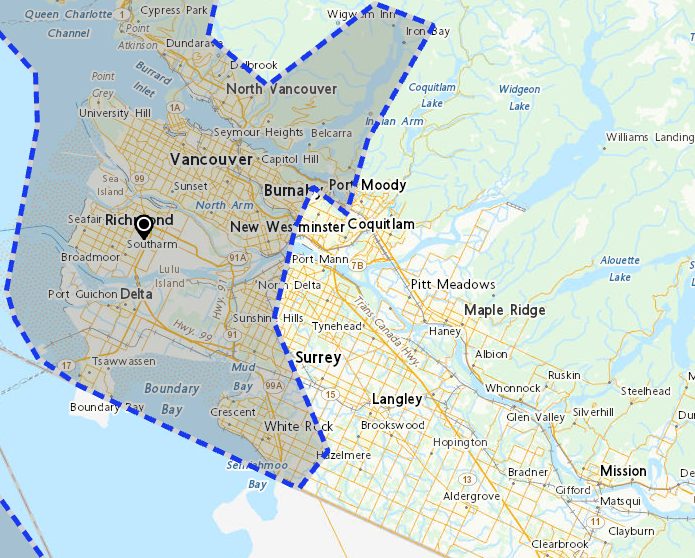
As for water levels, they’re expected to rise day over day and peak on Thursday. There is a chance that the Coastal Flooding Alert will be updated to a Warning for certain regions as waters continue to rise.
What to Do
For those living in low-lying areas near the coastlines, it’s always important to be prepared in advance in case coastal flooding develops. The federal government warns that floods can occur quickly and allow little time for preparation.
Here’s a few things you can do to stay safe before coastal flooding and storm surges:
- Prepare an emergency kit.
- Have a household emergency plans, considering the specific needs of all members of your household.
- Learn about colour-coded weather alerts.
- Have a back-up water supply ready in case of emergencies.
- Know when high tides, currents, and water level days are going to occur.
- Identify a safe location in advance in the case that you have to evacuate.
For more information, you can check out the government’s page on coastal flooding preparation here.