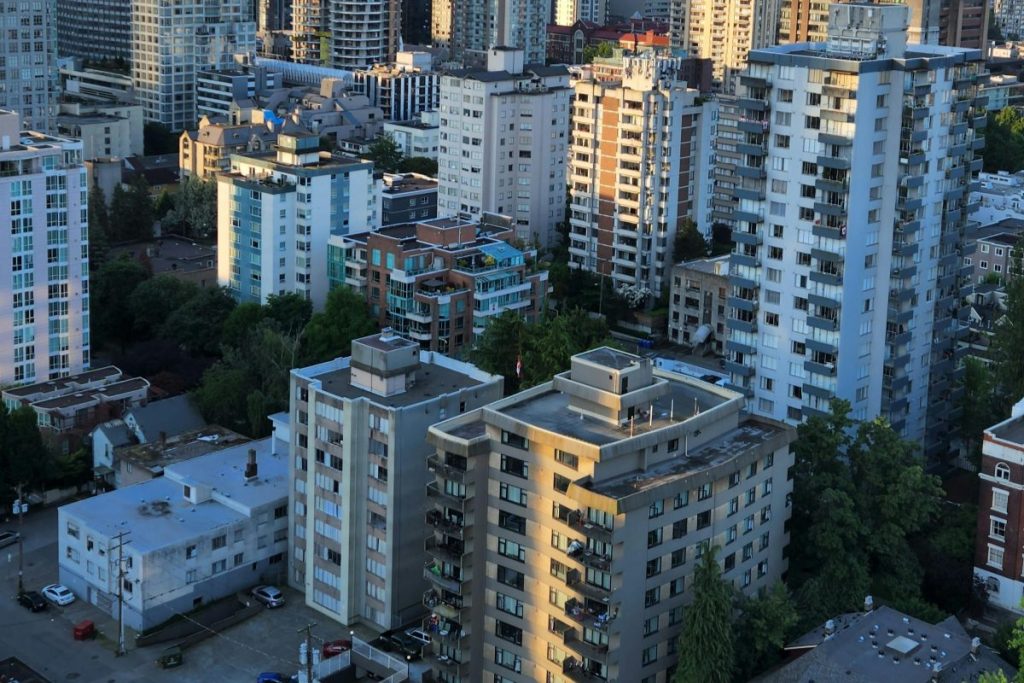
Housing has been a hot topic amongst many Metro Vancouverites in recent years. Whether it’s about the price of houses themselves, or how terribly pricey rent is, most people can agree that our West Coast city is never short on housing criticism.
Here’s one more thing you can add to that growing pile of housing issues.
A HOUSING CRISIS
In the regional district’s newest housing report, it was shown that Metro Vancouver is building houses at a staggeringly slow rate. For the last five years, the region has managed to construct homes at half the rate the municipalities require. Combine this with the already fragile state Metro Vancouver is in when it comes to housing, and you’ve got a pretty major problem on your hands.
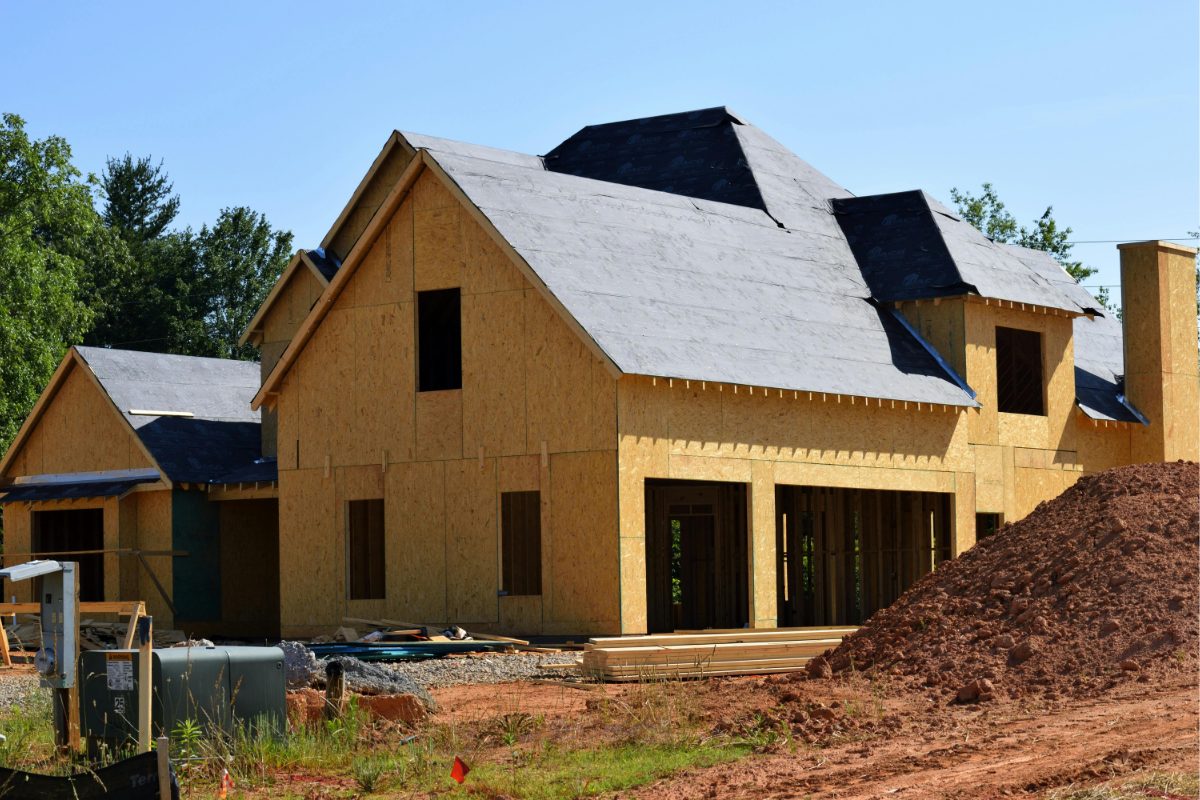
Currently, Metro Vancouver requires a growth rate of 46,000 newly-built homes per year. That means the city has to play catch-up of about 230,457 houses between 2022 and 2026 to meet these needs.
Unfortunately, the reality of the situation makes this goal quite lofty. Developers have only been able to build an average of 23,424 new homes per year.
With financial and affordability problems as primary explanations for this fall in development, it’s unsurprising yet still disappointing to learn that it would take an unprecedented spike in construction to meet that number of 46,000 homes per year.
THE SOLUTION?
Build more houses, obviously. But that’s the easy answer– and an unrealistic one in Metro Vancouver’s current housing climate.
This is a complex problem with a lot of moving parts and no clear solution. Instead, there are a number of factors at play in this issue, which all come to form this crisis we are facing.
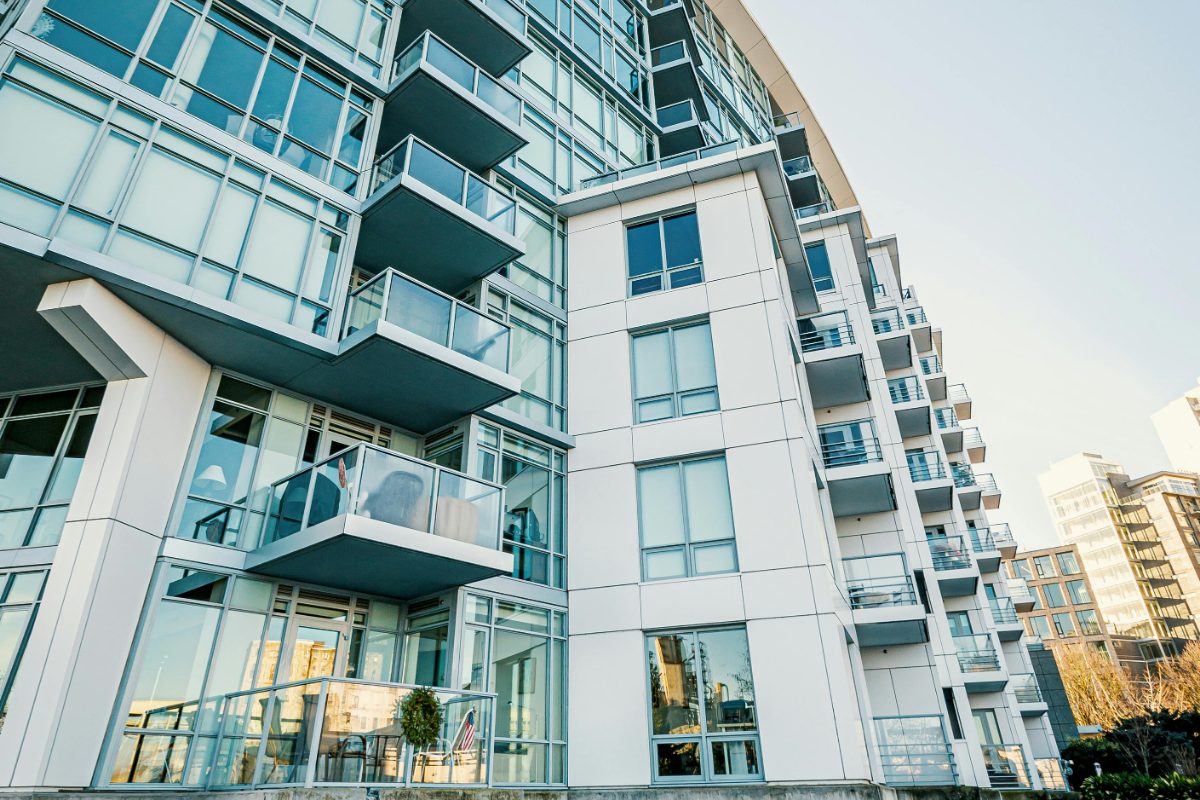
One primary issue that president and CEO Anne McMullin of the Urban Development Institute notes is the cost to build new homes. While developers aim to increase the housing supply, lowering Metro Vancouver’s development cost charges could be one step toward encouraging housing growth.
Although, that is only one problem amidst a sea of many others. Things like finance, affordability, and an increasing demand are all things that need to be addressed before Metro Vancouver is able to begin to recover from this crisis.
The more permanent solution to the city’s housing problems would require a coordinated effort from all parties involved. CEO of the B.C. Non Profit Housing Association Jill Atkey says that this is “a collective problem”, one of which we only have so many tools to fix.