
Fertility patterns have been changing dramatically in Canada over the recent decades, says Statistics Canada. Due to a variety of influences, Canada has entered an era of “ultra-low fertility,” a term used to describe total fertility rates below 1.30 children per woman.
As factors continue to shift, here’s why Canada’s fertility rates are dropping off to historic lows.
RELATED:
- Here’s How You Can Get A Free Air Conditioner As The Weather Heats Up In B.C.
- This Is Why American Immigration To Canada is Spiking By The Thousands
Fertility Rates in Canada
Canada hit a record low fertility rate in 2024 with 1.25 children per woman, solidifying the country as having entered the ranks of other countries with similar ultra-low fertility rates. Statistics Canada explains this low was driven by fewer births and an increased number of women who are choosing to remain childless, delaying motherhood, or are facing barriers to having children.
“The average age of first-time mothers peaked at 31.8 years in 2024, while childlessness among women aged 50 years and older rose from 14.1% in 1990 to 17.4% in 2022.”
Notably, Canada’s total number of births would have declined since 2010 if not for the contribution of foreign-born mothers. “In 2024, more than two in five newborns (42.3%) in Canada had a foreign-born mother (i.e., a mother who was born outside Canada), a proportion that has nearly doubled in just over one-quarter of a century (22.5% in 1997),” Statistics Canada says.
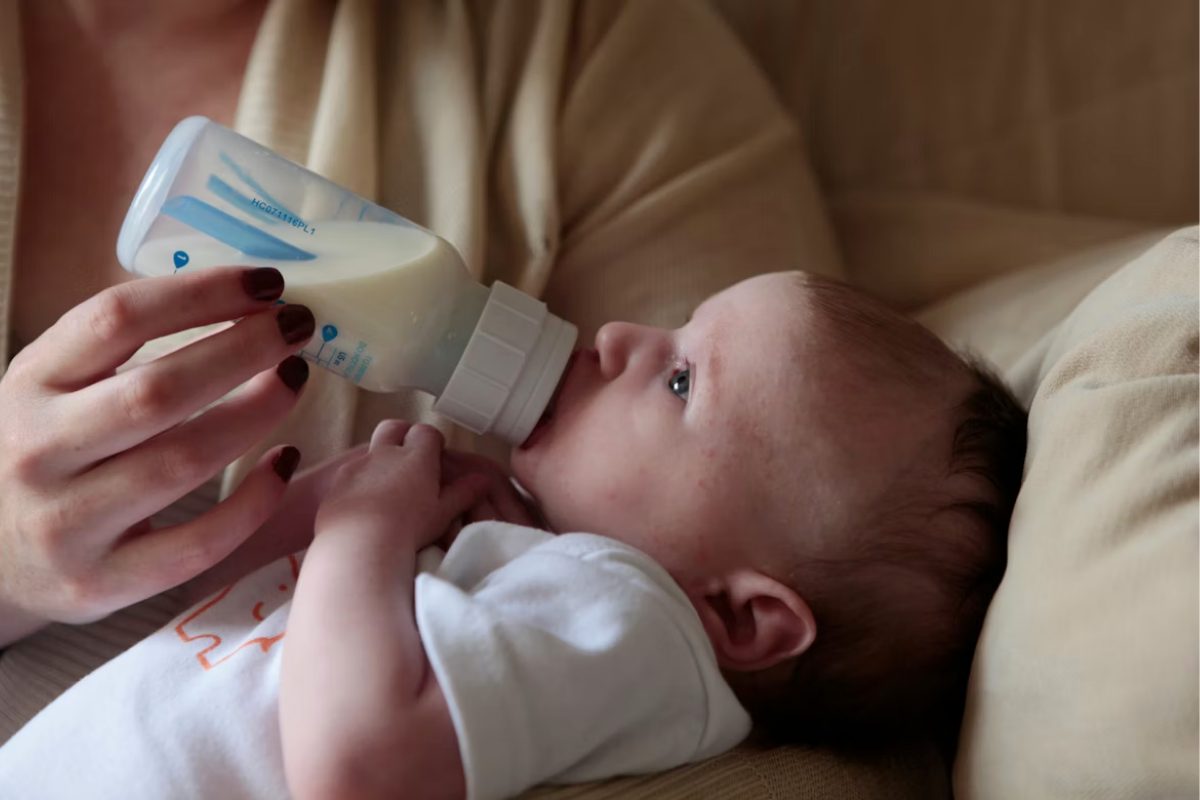
Statistics Canada also details the age range of childless women in the country. In fact, over half (51.5%) of Canadian women aged 20 to 49 do not have any children.
The majority of women in their 20s (88.5%) were childless, according to the 2024 Survey on Family Transitions. This was followed by women in their 30s (43.2%) and then 40s (23.6%).
For more information, visit Statistics Canada’s report here.