Changes are coming to Canada’s laws and measures very soon. This January, you can expect a range of new measures that will be kicking in, affecting things from tax brackets to winter activities.
RELATED: Carney Just Declared Economic War On Trump With This New Policy
New Laws And Measures Coming To Canada This January
Canada Strong Pass
The Canada Strong Pass is returning for another run— but this time, it’s for winter. That means your kids will get loads of free experiences all across Canada, and all you need to do is go with them.
The Canada Strong Pass was initially released in June of 2025 , with it being advertised as a way for “Canadians [to] enjoy the very best Canada has to offer.” It allows Canadians to access museums, railroads, parks and camping spots for either free or at a discounted rate.
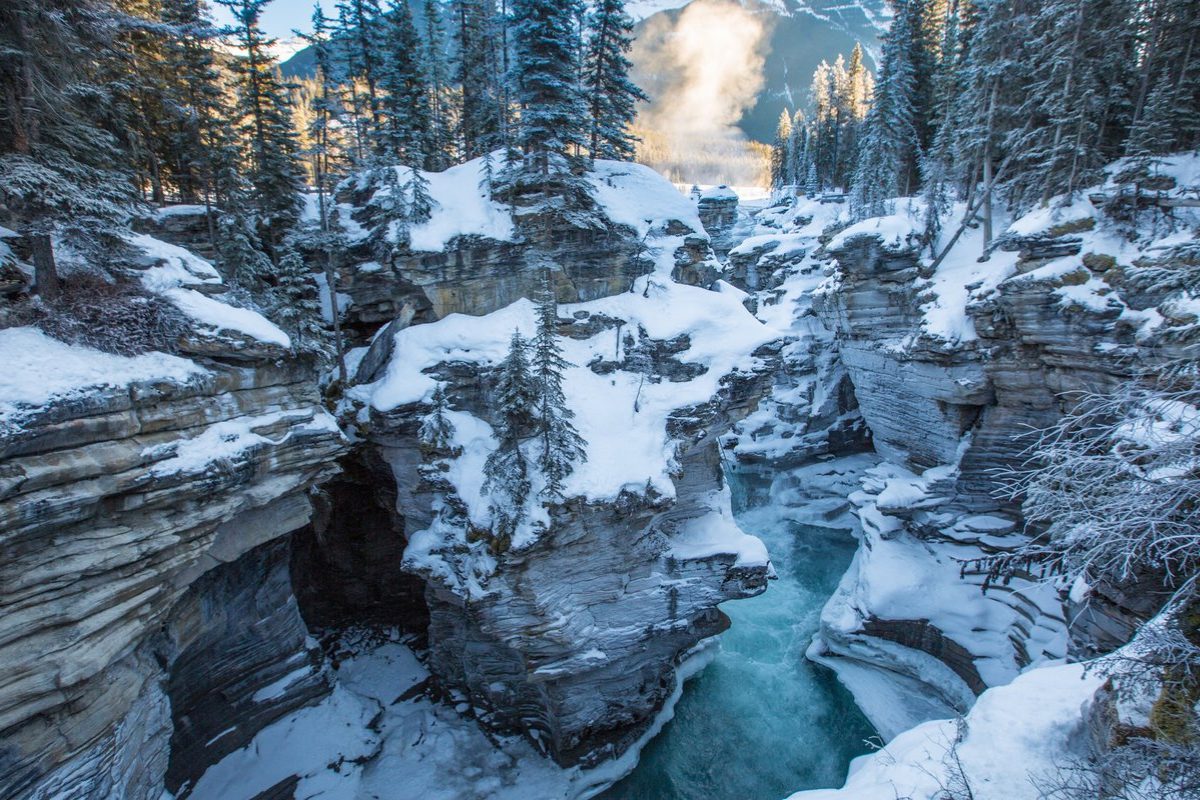
There are plenty of experiences to go around with the Canada Strong Pass. Of course, most of the free stuff is meant for under-18s, but there adults can still get some freebies, too. From December 12, 2025 to January 15, 2026, you can enjoy:
- Parks Canada: Free admission for all visitors to national historic sites, national parks and national marine conservation areas administered by Parks Canada; and an additional 25% discount on camping fees.
- Free and reduced admission at participating museums and galleries for children aged 17 and under. 50% discount for young adults aged 18 to 24.
- VIA Rail: free travel for children aged 17 and under when accompanied by an adult. 25% discount for young adults aged 18 to 24.
There’s actually no physical pass you need, nor registration. The Canada Strong Pass is also open to all visitors. Canadians and tourists alike are invited to “experience Canada’s cultural and natural richness.”
Income Tax Brackets
Changes are also coming to Canada’s federal income tax brackets in the new year. The Canada Revenue Agency (CRA) announced that the indexation will see an increase of 2%, which will then be reflected in Canadians’ tax brackets.

During 2025, the lowest bracket was for the first $57,375 of taxable income. 2026 will see adjusted rates, indexed for inflation. This means that Canada’s lowest earners will be paying slightly less. In the new year, the new lowest income tax bracket will instead be for the first $58,523 of taxable income.
Free Trade and Labour Mobility Act
First introduced on June 6 and receiving royal assent on June 26, the Free Trade and Labour Mobility Act will be kicking in on January 1, 2026.
“Across the country, there is a consensus on the urgent need to strengthen the Canadian economy and make it easier for business and Canadians to buy, sell, and transport goods and services across the country. The Act provides a framework to reduce the burden of federal rules that pertain to internal trade across provincial and territorial borders,” said the Government of Canada.
This Act would be ensuring that, according the Government of Canada:
- A good produced, used or distributed in line with the requirements of a province or territory will be recognized as meeting comparable federal requirements.
- A service provided in line with the requirements of a province or territory will be recognized as meeting comparable federal requirements.
- A worker licensed or certified by a province or territory will be able to work in a comparable occupation in federal jurisdiction.

Some examples where the Act would apply, provided by the government, include energy efficiency requirements, as well as certification.
- Energy efficiency requirements – a washing machine meeting Ontario, Quebec, or Nova Scotia’s energy efficiency standards (among others) will meet Canada’s comparable standards.
- Certification – land surveyors who currently require a federal licence to work on federal projects will have their provincial or territorial land surveyor’s licence recognized, reducing delays and paperwork. Similarly, locomotive engineers who hold a valid provincial or territorial authorization will be able to more easily and quickly secure a corresponding federal authorization.
Still curious about other new laws that Canada has introduced, besides the ones coming in January? Check out what the Government of Canada rolled out in November 2025 here.