
A new survey on poverty and food insecurity in Canada has revealed a rather bleak picture for Canadians, but especially for young people. As the struggle to afford groceries continues, some Canadians are being forced to extreme measures, now having to decide between eating dinner or paying for other costs.
RELATED:
- The New $5.9B Superport Could Push B.C.’s Orcas Toward Extinction
- Canadian Travellers Could Face Major Impacts From New U.S. Flight Rules
Poverty in Canada
On Tuesday, the Salvation Army published its 2026 Canada Poverty and Socioeconomic Analysis, uncovering that almost one in three Canadians are skipping or reducing meals because of rising grocery costs.
In 2025, this number was 27%; in 2026, it is now 31%. At the same time, 15% of Canadians have accessed community food supports, which is up from 11% last year. According to the Salvation Army, these figures have reached the highest levels in its study’s four-year tracking period.
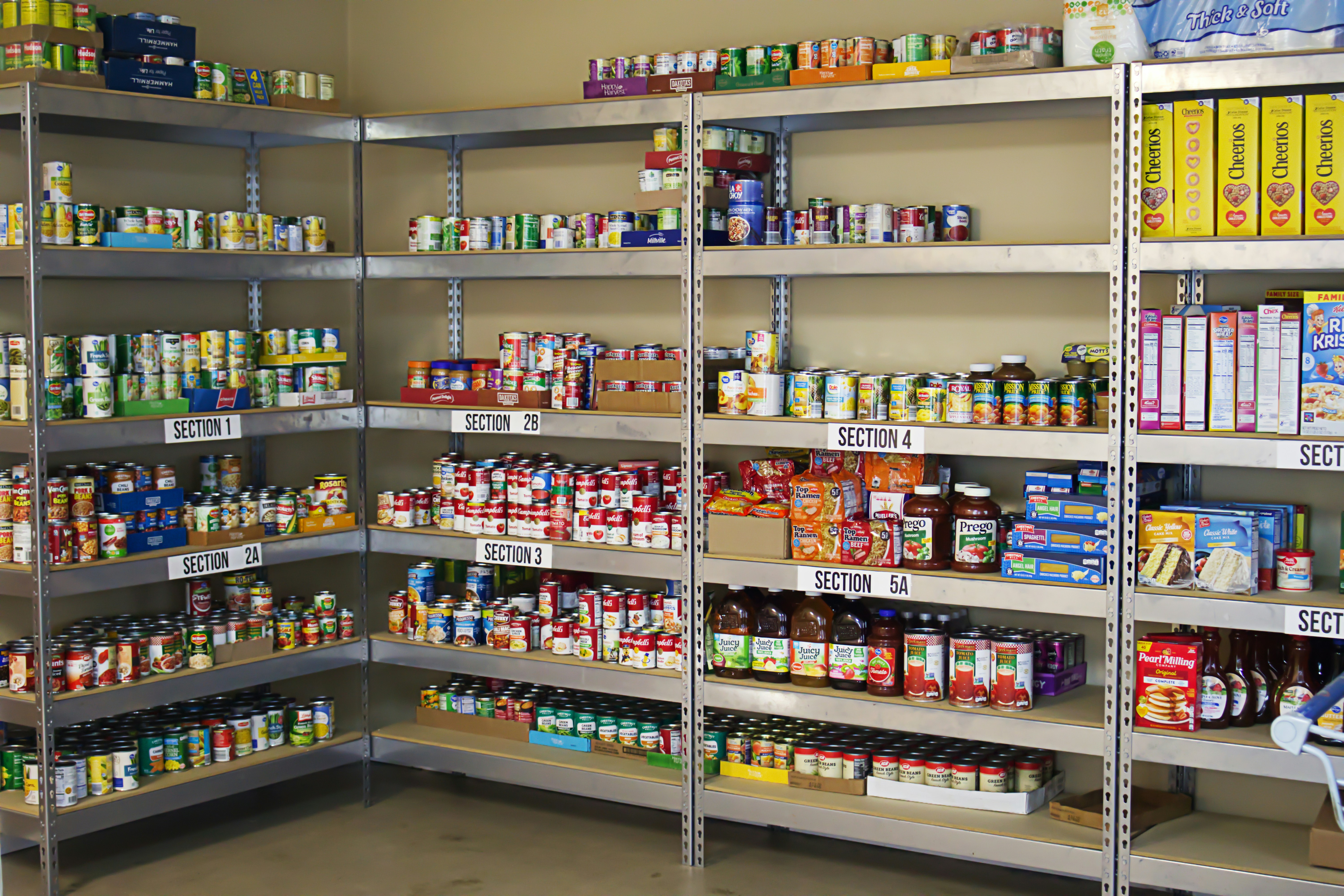
On the survey’s results, Glenn van Gulik, national spokesperson for The Salvation Army, said,
It’s deeply concerning that nearly one in three Canadians are having to skip meals or eat less because they can’t afford groceries. For many families, making ends meet is no longer about cutting back on extras. It’s about making difficult choices between food, housing and other basic necessities. These findings reinforce why accessible, compassionate support is so important in communities across the country.
Young Canadians Facing Food Insecurity
Unfortunately, the reality of food insecurity in Canada for young people looks even worse.
From the ages 18 to 34, 41% of Canadians report skipping or reducing meals because they could not afford groceries, compared to 31% nationally. Additionally, around one in four younger Canadians (23%) accessed community food supports.
Even more staggering is that 76% of young Canadians report challenges in managing limited financial resources.
On top of this are U.S. trade tensions and a decline in charitable giving, but the Salvation Army points toward a hopeful horizon for struggling Canadians. 37% reported an improved ability to care for their family, and 36% reported improvements in their dignity and hope.