B.C. could soon be the site of a new $5.9-billion superport with its recent designation from Prime Minster Mark Carney’s federal government.
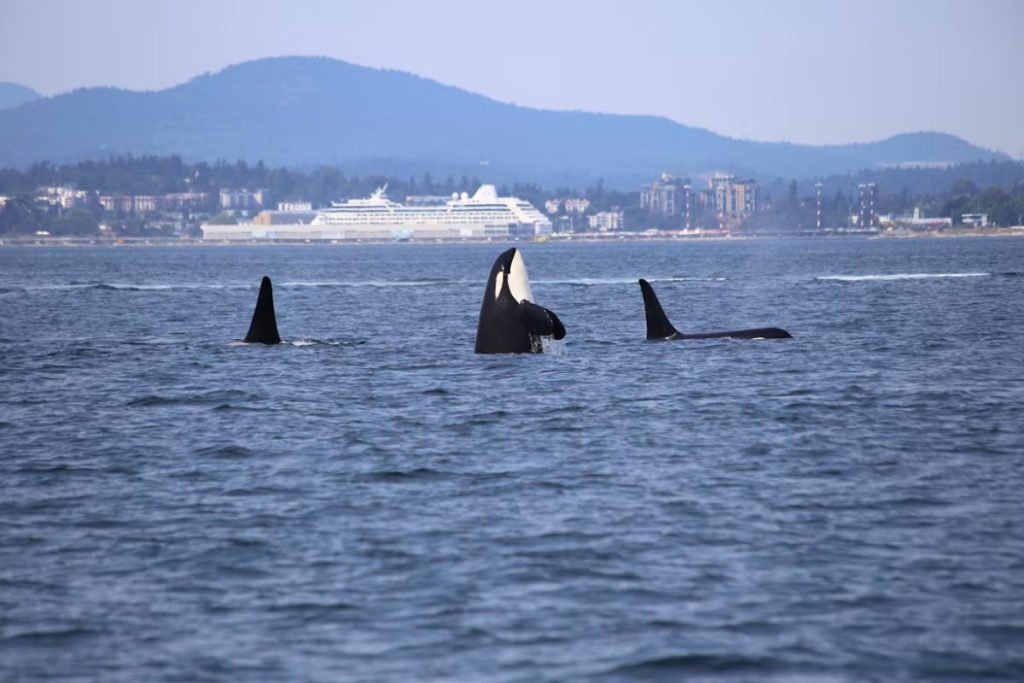
But not everyone is as excited about it as the Port of Vancouver or the Canadian government are. The plan has sparked concern from environmental groups that claim it threatens southern resident killer whales, who could face extinction if the project follows through without a decision on its Species at Risk Act (SARA) authorization.
RELATED:
- Massey Bridge vs. Massey Tunnel: Which Is Better for Metro Vancouver
- Vancouver’s New Council Takes Office Monday And Here’s What They Promised
B.C.’s Roberts Bank Terminal 2
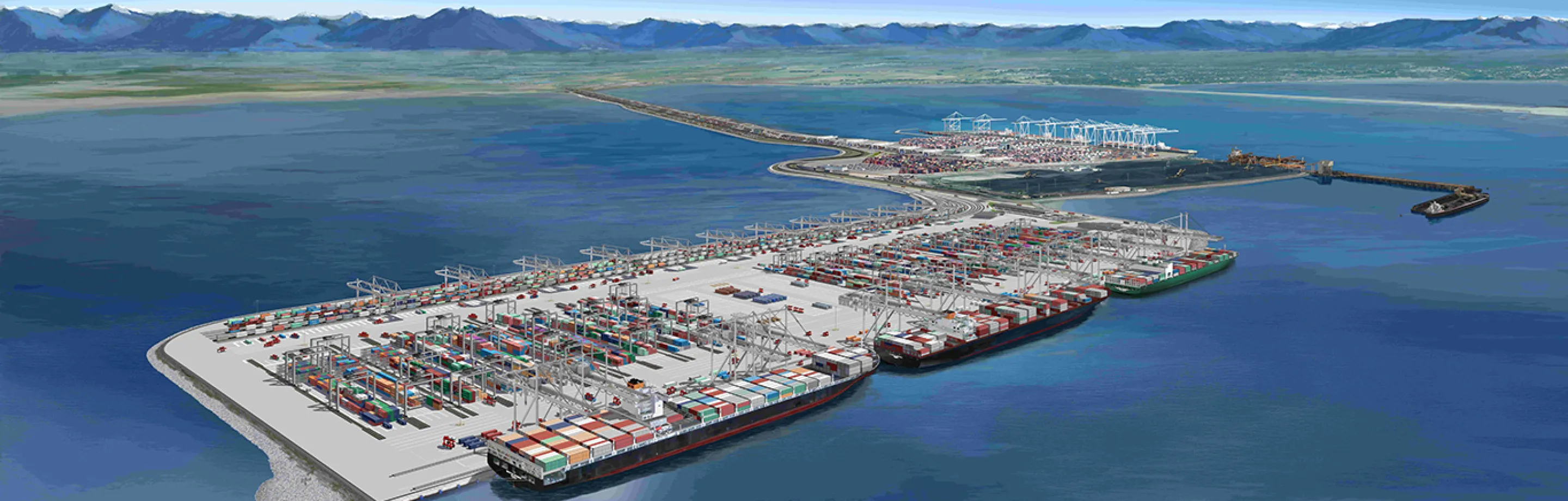
The Roberts Bank Terminal 2 (RBT2) is a proposed three-berth container terminal located at Roberts Bank in Delta, B.C. According to the federal government, it would increase the Port of Vancouver’s container capacity by around 50%.
“RBT2 is a critical element of the Port of Vancouver Gateway Strategy (Gateway Strategy), an overarching transformative strategy that will support an integrated pathway to grow capacity at the Port, and support Canada’s growth and diversification objectives.”
Killer Whale Extinction
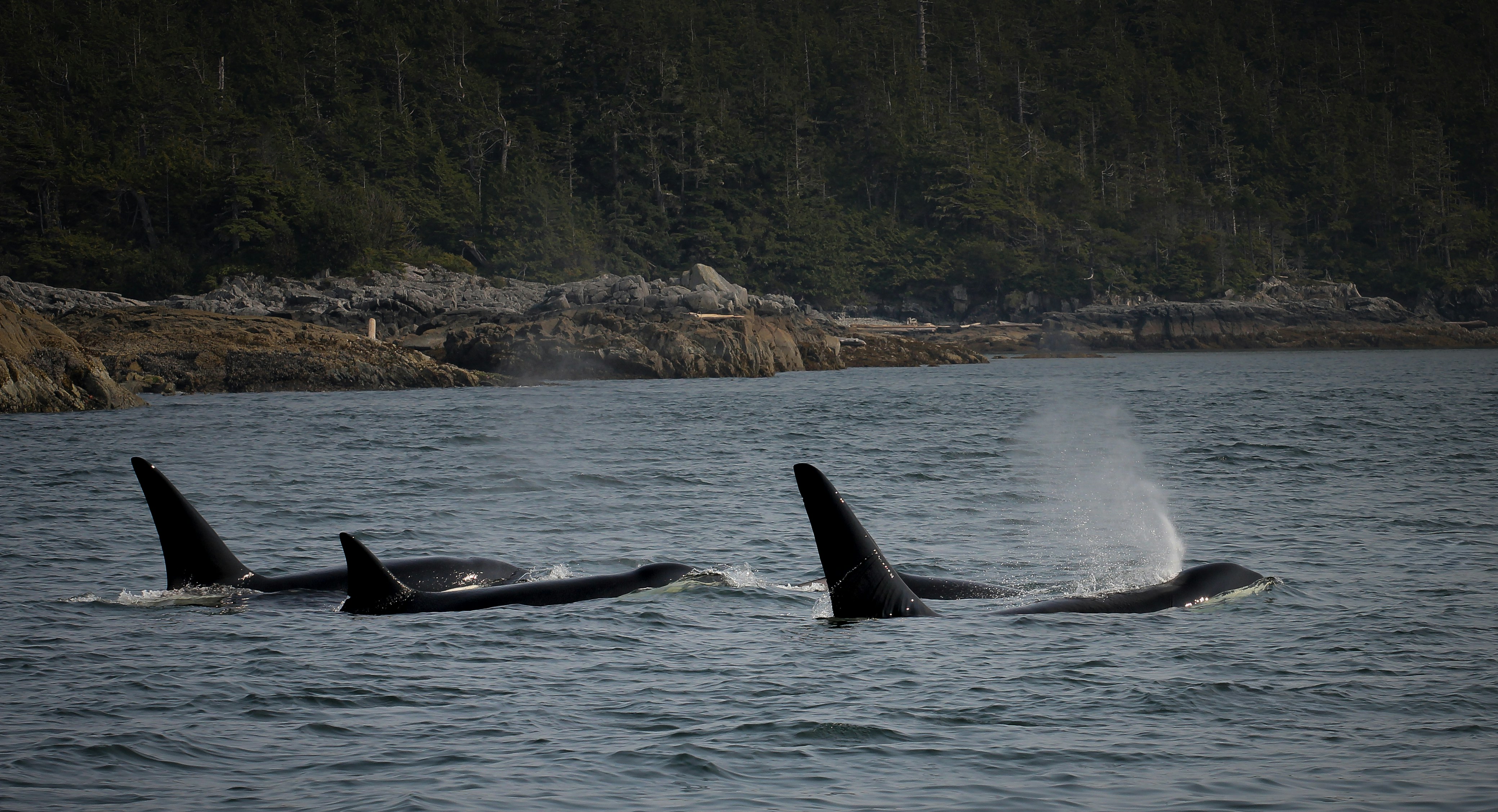
But for organizations like ilderness Committee, the terminal is an alarm bell for southern resident killer whales.
Reportedly, RBT2 was announced as a project of national interest “just two days after the project was expected to receive a decision on its Species at Risk Act (SARA) authorization.”
“The timing raises serious concerns that the designation is being used to evade the project’s final, and arguably most important permit, and with it responsibilities to avoid the extinction of the endangered southern resident killer whales.”
SARA aims to prevent wildlife species in Canada from disappearing. But new acts and bills introduced last year can allow for Canada to circumvent it.
Last year’s Building Canada Act and the proposed Bill C-39 will make it possible for Canada to ignore the advice of Fisheries and Oceans Canada if it refers to a project not meeting the requirements for the SARA authorization. Announcing the designation two days after the department’s expected decision on its SARA permit could mean that the department was not able to justify granting the permit and a PONI designation was the only viable way to bypass that.
Wilderness Committee is calling for RBT2 to be subjected to the full extent of the requirements under SARA. The remaining 76 southern resident killer whales may be put at risk of extinction if the project “cannot prove that their activities will not jeopardize the survival of the species.”