

A group of archaeologists recently made an exciting discovery in the Pitts Meadows area. They uncovered a 3,800-year-old garden situated in the Katzie First Nation territory.
This could be one of the world’s oldest surviving gardens.
The garden had wooden digging tools, a rock wall, and the remains of a wapato crop.
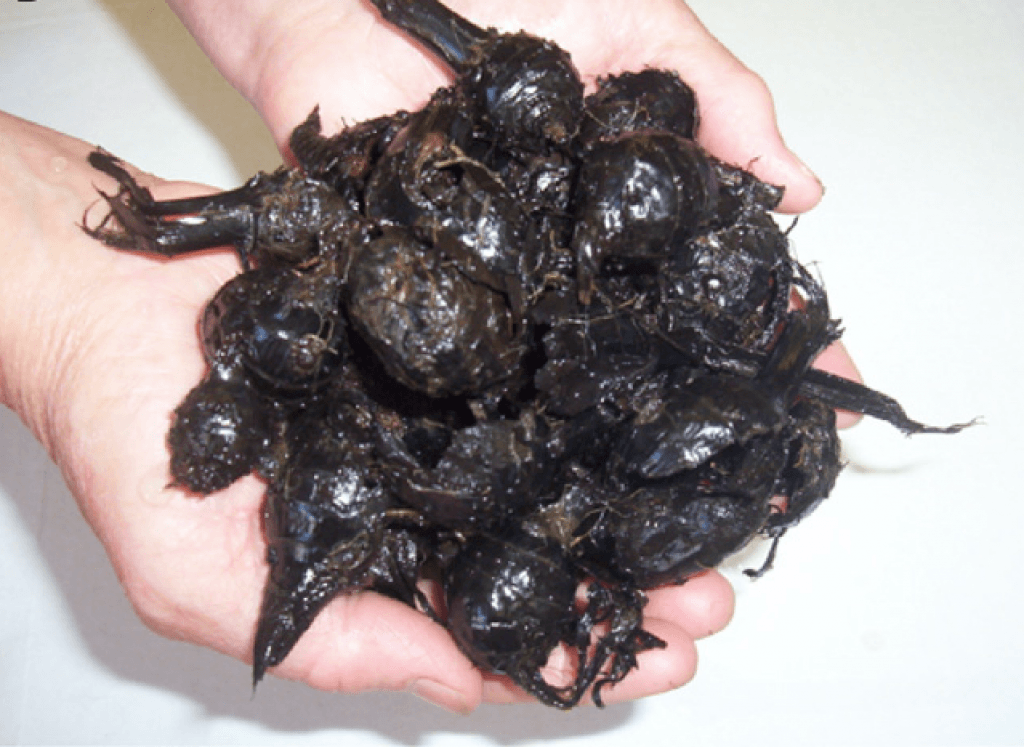
Wapato
Wapato is a vegetable commonly referred to as an “Indian potato.” The texture is similar to a potato but some say it tastes more like a chestnut.
This unique discovery gives us a rare glimpse into what the world was like 3,800-years ago.
According to the archaeological findings released, the hunter-gatherers used garden tools similar to what we would use today.
The research team also found nearly 150 digging stick tips. With several of them stuck in the pavement; it shows how the wapato tubers were originally harvested.
At that time, wapato was a valuable trading commodity. Because of its high starch content, it was also a great addition during the Winter months.
RELATED: VanDusen’s Elizabethan Maze; One Of Only Six In North America
The team of researchers were mostly members of Katzie First Nation. Therefore, it was a great opportunity for them to connect with their heritage.
Once the excavation process was complete, the garden was paved over to make way for more public roads.
