Big changes have come to the Canada-U.S. border as fingerprints are now required of certain visitors. While the U.S. has been ramping up their border with extra security checkpoints, it’s now more serious than just a simple passport check.
CUSTOMS AND BORDER PROTECTION
U.S. Customs and Border Protection (CBP) has been checking Canadians’ passports and asking where they’re going (or where they’ve been) for a long time now. Although, that’s all they ever really did at the border. They ask questions, you answer; and, if necessary, your car gets checked.
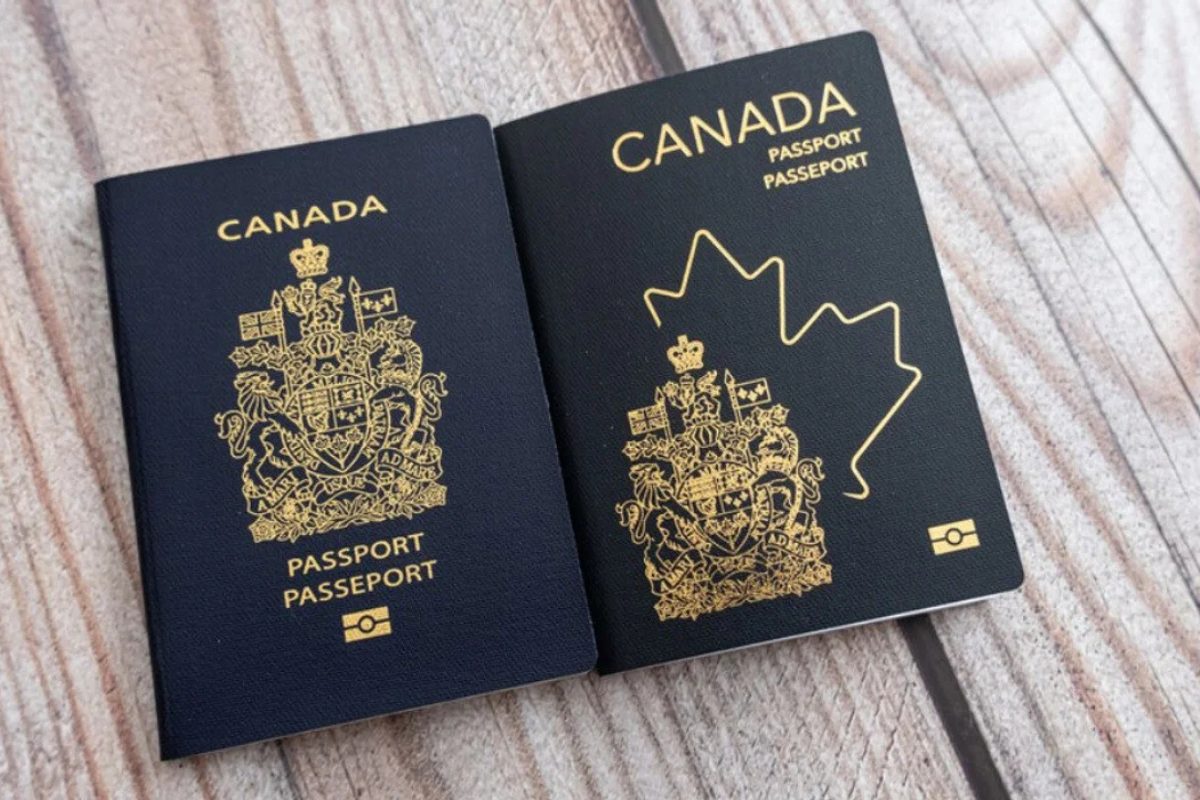
Canadians aren’t required to provide much more than that. Biographic information is all that’s asked for. Except, things are now changing with the CBP’s recently-implemented technologies at the land borders.
In order to more accurately identify Canadian travellers who overstay their welcome, the CBP will require certain visitors to complete an alien registration form. This form includes not only personal and biographical details, but also requires biometric data collection.
The CANADA-U.S. BORDER AND FINGERPRINTS
So, what is biometric technology? It’s anything that takes data from your biology or behaviour that can then be used to authenticate an individual’s identity.
Think fingerprints, voice patterns, and the ever-popular facial recognition software. You can find basically all of these biometric technologies in your average smartphone today.

Facial biometrics is what the CBP are using at the borders, as well as fingerprinting. Although they have been using biometrics since the early 2000s– 2002, to be precise– it is only recently that they have implemented it at land borders. More specifically, this technology is being used to identify non-U.S. citizens who are overstaying in the U.S. The Government of Canada notes that “most ports of entry to the United States use facial recognition to verify your identity.”
Although, the alien registration form is only required for Canadians that are staying in the U.S. for more than 30 days. Just recently the Canadian snowbirds were fingerprinted by the CBP when crossing.
If you wish to opt out of the facial biometric process, then you are able to let a CBP officer know. You can request a manual document check which can then bypass the facial scanning.
You might also like