
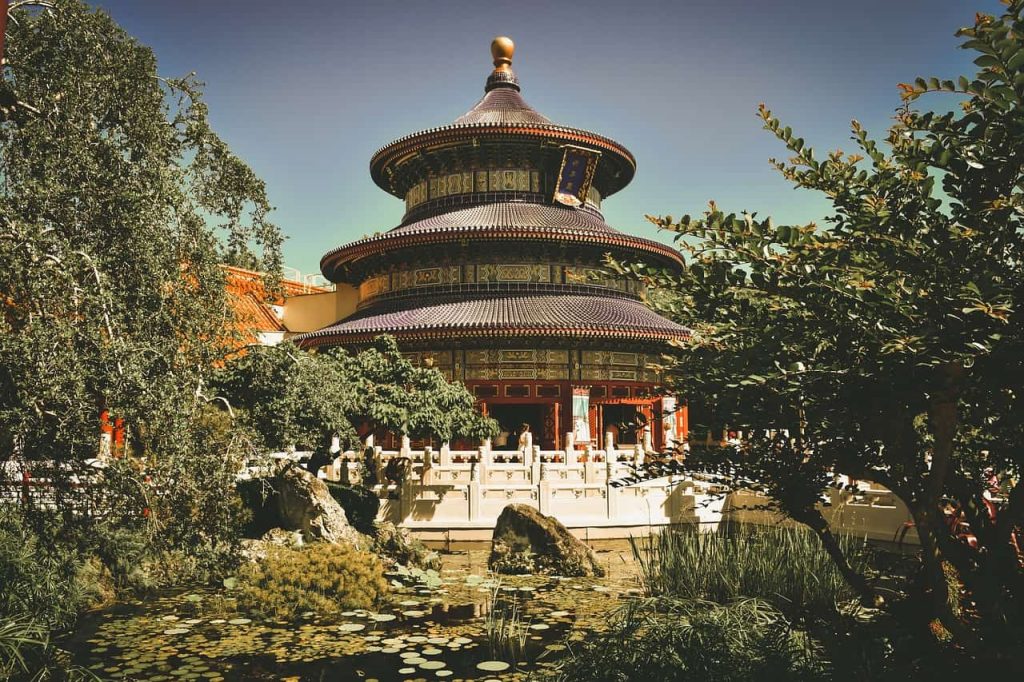
The City of New Westminster held an open house on January 31st to discuss options for a classical Chinese garden at 842 Agnes Street.
Known as a dog park for many years, the area actually holds significant cultural heritage.
‘Built in 1905, the Chinese Benevolent Association building, called the ‘Old Man’s Home’ at 842 Agnes Street, served New Westminster’s Chinatown as a school, hospital, and residential care facility for the elderly. Back then, the neighbourhood was B.C.’s second largest Chinatown, after Victoria,” reports Metro News.
As early as 1858, Chinese workers, mainly from Guangdong province, emigrated to New Westminster from California and China to chase the Gold Rush in Canada. This process was nicknamed “Gold Mountain” (Gim Shan 金山). New Westminster was named Yi Fao, which stands for ‘Second Port.’ Victoria, BC was the first.
Owing this, many people feel that the area should be redesigned to pay homage to its roots. Hence, the idea to reconstruct the park in the style of a classical Chinese garden was born.
Designed with Feng Shui elements in mind, the proposed garden will feel similar to Dr. Sun Yat-Sen Classical Chinese Garden in downtown Vancouver.
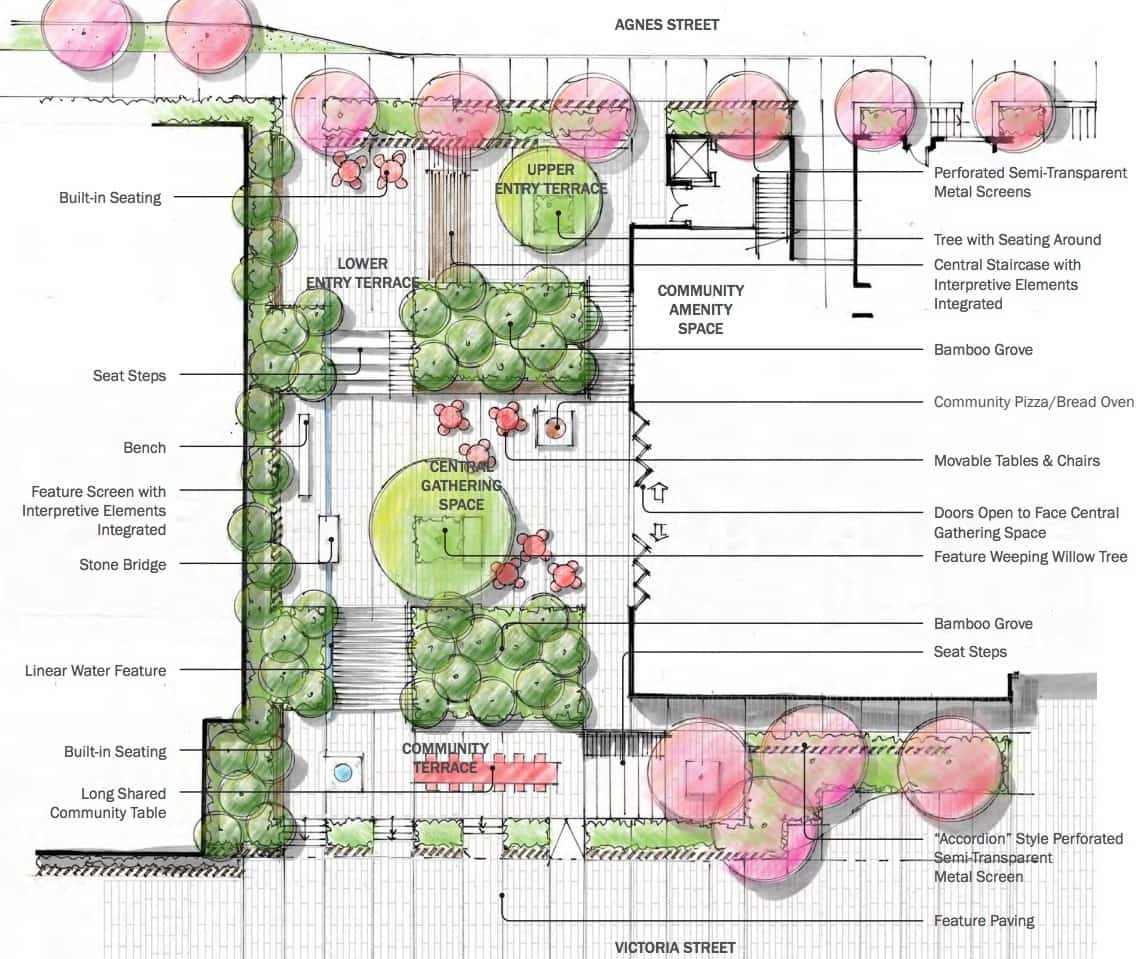
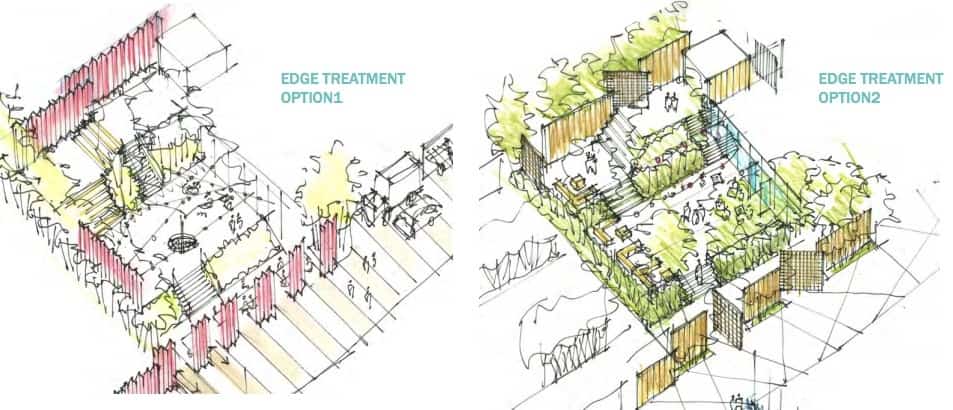
So far, three major proposals are being considered. The first is called “the porch” and includes moveable interpretive ‘accordion’ screens as well as a central weeping willow.
Next, the second design is coined “lifted veils.” This creative concept includes moveable interpretive screens that are transparent/perforated to hide and reveal views into different parts of the park. These angular forms hide and reveal special moments with the park. The concept also includes a games area.
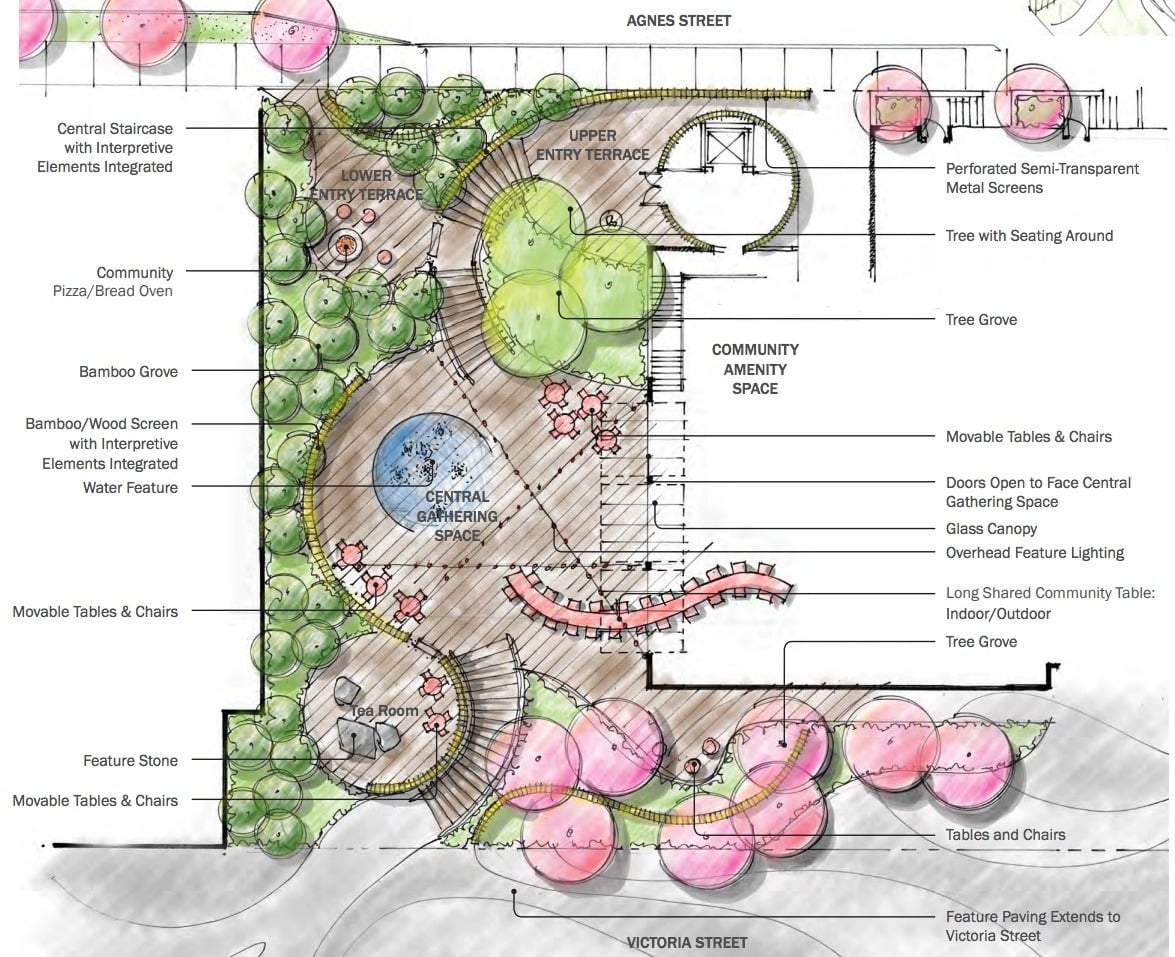
Last, the third proposal is called “the garden path” and has a dominant circulation path as the main interpretive feature. in addition, the central focal point of this Feng Shui concept includes an elegant water feature.
New Westminster Classical Chinese Garden Planning
- Ensure that the interpretation is authentic or real – i.e., ‘the Chinese pioneers were practical people’
- Ensure that the interpretation tells the story of the Chinese pioneers, including their struggles and the injustices that they endured
- Recreate a portion of the former CBA building – e.g., the staircase and veranda were very prominent features
- Use interpretative signage, listening posts and murals to help park users and visitors visualize the CBA building and former ‘Westside’ Chinatown
- Capitalize on the sloped topography of the site by incorporating viewpoints, water courses and winding pathways
- Create a reflective and relaxing green space in the ‘heart’ of the city
- Ensure access through the site, as it is frequented by SkyTrain users
- Ensure the park is usable (not just commemorative) and employ a creative design (both function and form)
- Incorporate landscape features and plantings that reference traditional Chinese gardens, including bamboo, pine and willow trees
- Partner with Lijiang, New Westminster’s sister city, which could provide expertise in the design of the park and strengthen socio-economic ties
- Resolve issues related to the dog off leash enclosure by developing an alternative site or sites.
[sjnow-ad-large-leaderboard]

New Westminster is also planning on launching another ferry service from the Quay to Queensborough after a successful pilot last year.
