
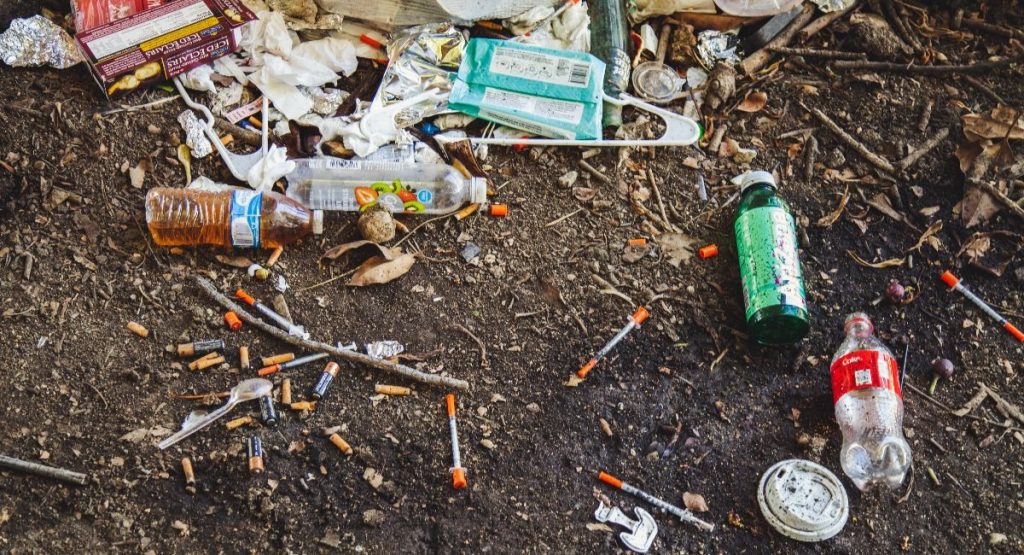
A recent social media post from Vancouver Coastal Health has sparked debate online.
The message itself was straightforward: Vancouver’s illicit drug supply is contaminated with toxic substances like fentanyl, benzodiazepines, and medetomidine. If people choose to use substances, the health authority advises checking drugs, starting with a low dose, avoiding using alone, and carrying naloxone.
For some Vancouver residents, the post felt unsettling.
Not because they want people to overdose. Not because they lack compassion. But because many increasingly feel public messaging around addiction in BC focuses heavily on harm reduction, while treatment, recovery, and long-term care feel far less visible and that distinction matters.
Nobody is arguing against saving lives
The reality is Vancouver’s drug supply has become dangerously unpredictable and public health officials are not wrong to warn people about contaminated substances. Harm reduction exists for a reason: people cannot recover if they are dead. Naloxone kits save lives. Overdose prevention sites reverse overdoses. Drug checking can prevent tragedies.
These tools have a place in a public health response. But for many people across Vancouver, the question is no longer whether harm reduction should exist. The question is: why does it feel like that is the only visible part of the system?
Residents want more than crisis management
Across neighbourhoods in Vancouver, frustration has been growing.
Residents are watching open drug use, visible mental health crises, encampments, and increasing disorder in some public spaces, including kids playgrounds, elementary schools and in front of already struggling small businesses. At the same time, many families struggling with addiction say treatment beds are hard to access, psychiatric care is stretched thin, and recovery pathways feel fragmented.
People are asking difficult but fair questions:
- Where are the detox spaces?
- Where is the long-term recovery support?
- Where is the mental health treatment for people experiencing severe illness alongside addiction?
- And perhaps most importantly, what happens after harm reduction?
Keeping someone alive is essential. But many residents believe compassion should not end there. Compassion should also mean helping people stabilize, recover, reconnect with family, find housing, and rebuild their lives.
The consultation debate is growing louder
The latest discussions around overdose prevention and harm reduction sites in Vancouver have also highlighted another growing frustration: consultation.
Many residents say they do not oppose services in principle. What they want is transparency, accountability, and meaningful conversations about location, impacts, and neighbourhood supports. Something it seems health minister Josie Osborne has tried to dodge.
Communities want reassurance that public safety, businesses, schools, seniors, and vulnerable residents are also part of the conversation.
Too often, the debate gets reduced to extremes. Either you support harm reduction entirely, or you are accused of lacking compassion. Either you demand stronger public order, or you are accused of not caring about vulnerable people. Most Vancouverites likely sit somewhere in the middle.
Vancouverites are asking for balance
This is not a city asking governments to care less. If anything, many residents are asking governments and health authorities to care more and more comprehensively. Saving lives matters, but so does treatment and so does recovery. Mental health care matters as does helping people move beyond survival.
The public conversation in Vancouver appears to be shifting. People are not rejecting compassion. They are asking for a fuller version of it.
And increasingly, they want to know what comes after harm reduction.
