
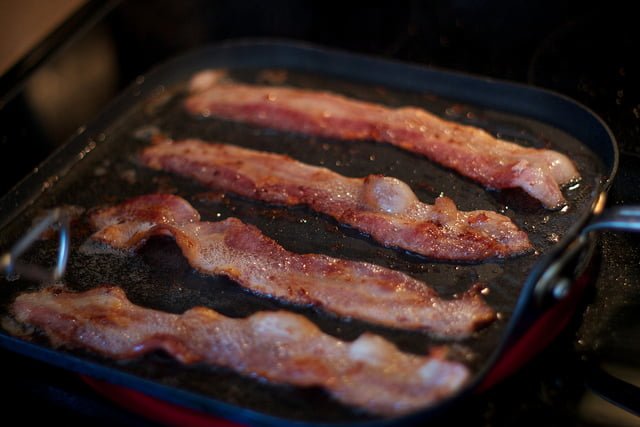
Did you know that over time, grease in drains can harden into a concrete-like substance? That’s exactly what is happening to pipes and plumbing due to people dumping grease, fats and oil down the drain.
Services in Metro Vancouver are hoping to open the eyes of the community in order to save pipes and infrastructure from the demise caused by grease blockage.
RELATED: What The Future Hold’s For Richmond’s Garden City Lands
In an interview with CBC, Devin Kiyonaga, an engineer for liquid waste services in Metro Vancouver, said that even though this is a region-wide problem, Richmond is being looked at more closely because of the flatlands.
Since the area is so flat, the flow is slower, and more blockage can happen especially because a lot of people cook with oils in the area, as well.
The grease blockage epidemic isn’t only affecting individual homeowners. It also can expand to the larger sewer systems in Metro Vancouver, which nearly $2 million every year is spent in infrastructure repairs from grease damage.
“The analogy used is kind of like a blocked artery … Over time, the grease itself hardens like concrete. Those chunks of hardened grease can fall off into the pipe and it can actually damage equipment,” Kiyonaga said.
Grease acts as a glue that joins other objects together, including disposable wipes, dental floss, hair and garbage. These things form larger balls and can further clog pipes, so it’s important to understand what should and shouldn’t be flushed down a toilet.
This includes baby wipes and feminine products.
Want to know how to dispose of fats and grease, the green way? It’s simple: collect your grease in liquid or hardened form and put it in your green bin. Or for larger quantities of grease, store the oil in a container and drop it off at a recycling transfer station – like the Richmond Recycling Depot – or check online for one nearest to you.
