
When it comes to studying sharks and reefs, Christmas Island Atoll is as remote as it gets, especially for a University of Victoria professor who grew up next to a dairy farm in Guelph, Ont.
The atoll — not to be confused with the Australian territory of Christmas Island in the Indian Ocean — is the largest in the Pacific, and is part of the Republic of Kiribati, located close to the equator, northeast of Fiji.
Thanks to a $50,000 fellowship, though, university biologist Julia Baum and her team of researchers will find it a little easier to bridge the gap from Vancouver Island.
Baum was named one of 126 recipients of the internationally renown, 2012 Sloan Research Fellowships, announced Feb. 15 by the New York City-based non-profit, philanthropic institution, the Alfred P. Sloan Foundation.
“It’s just going to be such a huge help to funding my research program over the next two years,” she said. “We’re working really far away, pretty much in the most remote corner of the ocean.”
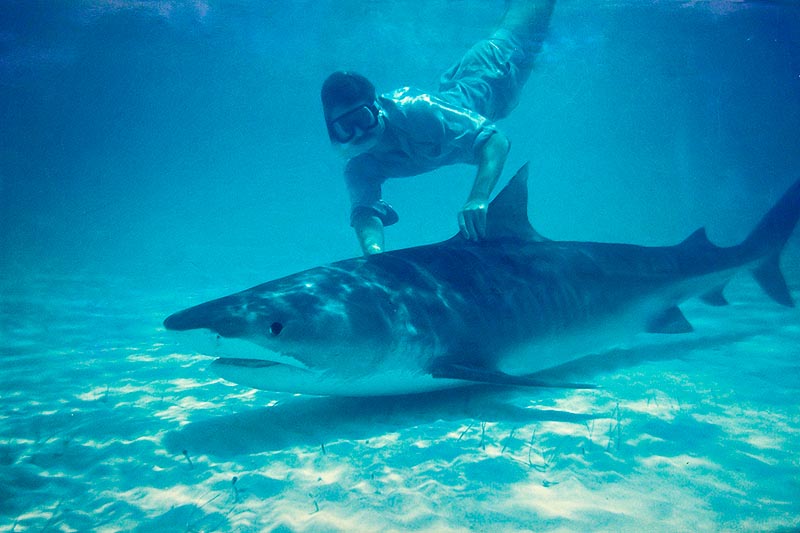
For three to six weeks each year for the next two years, Baum plans to study how the loss of large predators, like sharks, alters reefs and ultimately changes or affects society.
But conducting the field work isn’t easy or inexpensive.
The cost of the flight is about $1,800 per person and food and lodging expenses are also pricey thanks to the remote location, she said.
Once on the ground, the team will spend considerable time on and in the water, diving, counting fish, taking photos and video of the reefs, and looking for evidence of coral bleaching and disease.
Read more HERE
